Gartner: Just 5% of Firms Will Automate Even 10% of Supply Chain Planning by 2030
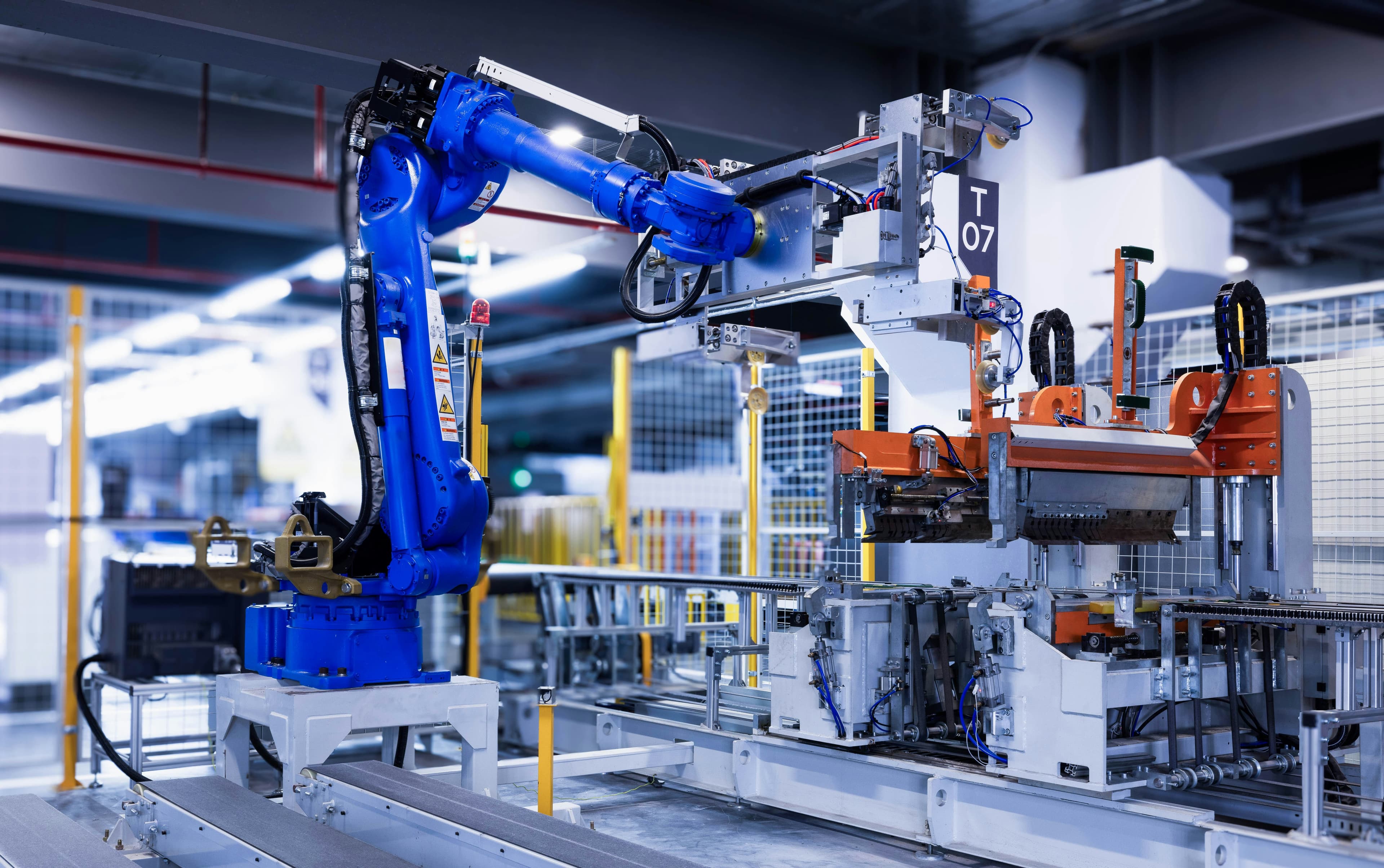
Photo: Homa Appliances on Unsplash
5%
of organisations will make even 10% of supply chain planning decisions autonomously by 2030, Gartner predicts, despite 83% already having spent $3m or more on the attempt.
Forrester published the reason why the same week: agentic AI does not fix a weak supply chain data foundation, it exposes it more quickly. Together they set a hard ceiling on any pitch that leads with full autonomy.
The week in three lines
- Gartner has put a number on how far supply chain autonomy is from reality: by 2030, only 5% of organisations running some form of planning automation will make even 10% of their planning decisions autonomously, despite 83% having already spent $3 million or more on it. Forrester explained why the same week: agentic AI does not fix a weak data foundation, it exposes it faster.
- McKinsey and BCG made near-opposite claims about human judgement in the same week. McKinsey's procurement research argues AI should capture and codify scarce expertise so it survives staff turnover and industry downturns. BCG's own research says AI is measurably eroding the capacity to build that same judgement in the first place: half the senior leaders it surveyed already see de-skilling in their organisations.
- BCG also pointed to a real shock that most AI plans do not price in. In June 2026, the US government ordered Anthropic to suspend its newest models for all non-US users, taking them offline worldwide within hours. Access was restored 18 days later with no public explanation.
The papers
Gartner puts a number on how far autonomous supply chains still are from deployment
Gartner's own research finds that although 83% of organisations have already spent at least $3 million on supply chain planning automation, only 5% will reach even a 10% threshold of autonomous planning decisions by 2030. Its guidance is to classify each planning decision by risk and complexity, build the data, talent and governance foundations first, and measure decision improvement rather than technology deployed.
Forrester · Supply chainAgentic AI does not fix a weak supply chain data foundation, it exposes it faster
Forrester argues that autonomous agents need trusted, well-governed data to act safely, and most supply chain data estates are not built for it. It proposes a Minimum Viable Data Framework built around five shared reference points - products, partners, locations, resources and operating standards - each given a single enterprise-wide definition before agents are allowed to act on them.
McKinsey Operations · Operating modelAI in procurement should capture scarce judgement, not just speed up the process
McKinsey argues that procurement functions losing expertise to retirement and industry downturns should use AI to capture and codify scarce category knowledge rather than simply speed up existing processes. Cited examples include a chemical company that found a 14% ocean-freight rate improvement by pairing historical sourcing strategies with analytics, and a metals company that cut indirect spend by around 12% after rewiring its sourcing workflow with AI agents.
BCG · WorkforceBCG's own research finds AI is already eroding the judgement other plans assume it frees up
BCG's survey of C-suite and senior leaders found that half are already observing de-skilling in their organisations, and more than 60% expect it to become a material threat within three to five years. Separately, BCG research found that employees required to closely monitor AI outputs reported significantly more mental effort, fatigue and information overload than those with lighter oversight duties, challenging the assumption that a human in the loop is automatically a safeguard.
BCG · InfrastructureA real shock to AI access, made into an investment discipline
BCG sets out four uncertainties boards should plan against as AI reshapes competitive advantage: how much further model capability can scale, whether computing costs stay high or eventually fall, whether the roughly $5 trillion hyperscalers plan to spend on AI by 2031 is matched by real revenue, and whether access to frontier models stays open across borders. In June 2026, the US government ordered Anthropic to suspend its newest models for all non-US users, taking them offline worldwide within hours; access was restored 18 days later with no public explanation.
Also published
- Gartner Says CFOs Must Take a More Disciplined Approach to Finance AI Investment — Gartner, 24 Sep 2026
A survey of 160 senior finance leaders found data extraction and accounts automation deliver returns within 9-10 months, while forecasting takes longer, and low AI literacy is now the biggest barrier. Finance-specific, but a similar discipline argument to the AI investment piece above.
- AI adoption across automotive value chain to surge as sector grapples with rising competition — PwC, 24 Sep 2026
PwC's inaugural Global Automotive Outlook projects AI use across the automotive value chain rising from 47% today to 72% by 2030. Sector-specific to automotive rather than retail.
What nobody is saying
McKinsey's procurement research and BCG's research on human advantage, published a day apart, make near-opposite claims about the same resource: human judgement. McKinsey argues AI should capture and preserve expert judgement so it survives staff turnover and industry cycles. BCG's own data suggests AI is measurably eroding people's capacity to build that judgement. Neither piece addresses the other's claim directly, and both could be true in different parts of the same organisation at once.
Want this applied to your business?
We turn research like this into a transformation plan, not another slide deck.