Retail / Supply Chain · 2022–2023
Iconic British retailer
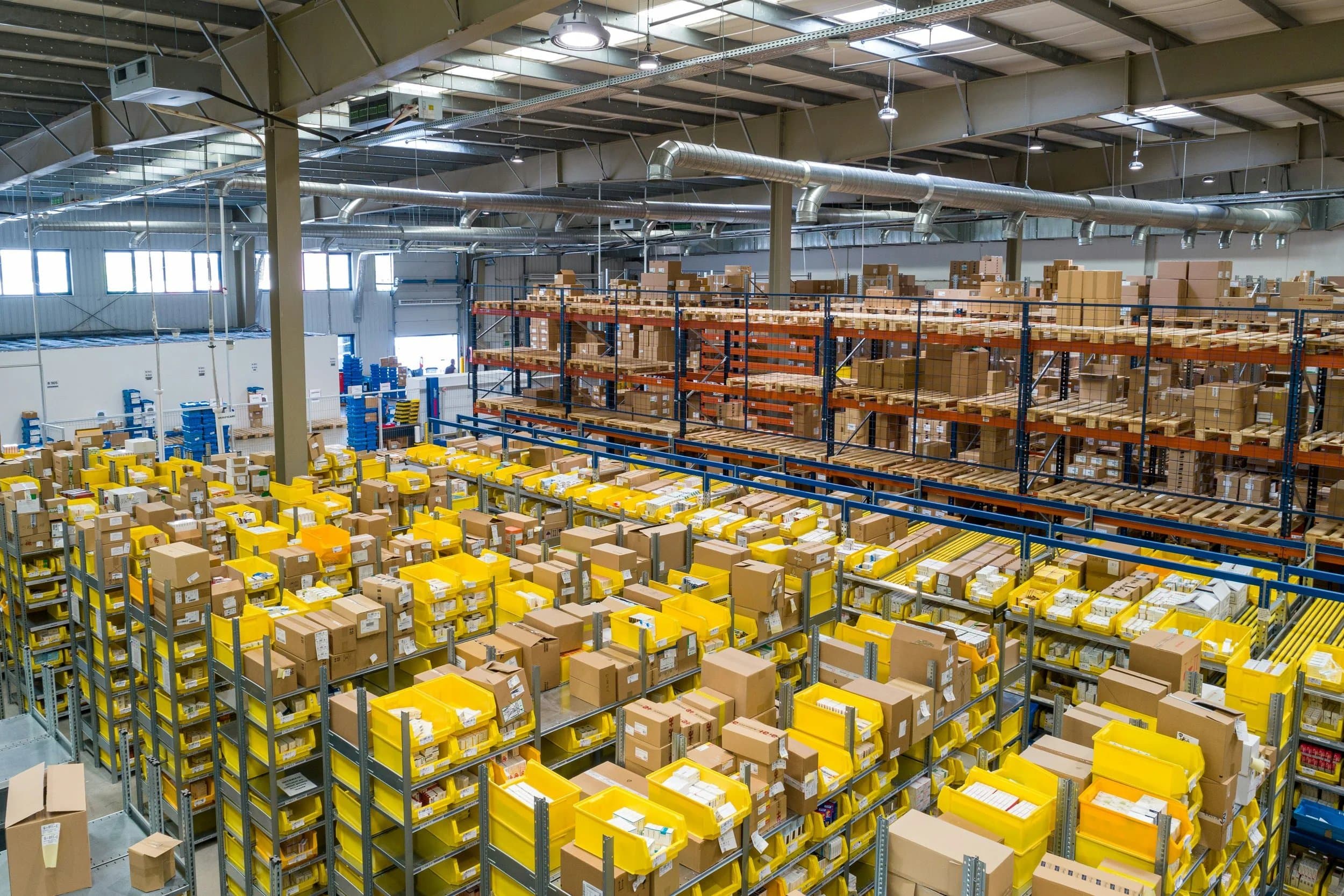
It is one of the UK's best-known retailers. This engagement sat within its Clothing & Home business as part of the wider Group recovery and growth strategy, and covered the supply chain and logistics function supporting stores, ecommerce and a growing third-party brands operation across the UK.
The situation
When this engagement began, Clothing & Home's supply chain and logistics function was running more than 140 separate initiatives with limited prioritisation and weak delivery confidence, and had no agreed five-year cost trajectory to work towards. That mattered because the retailer's wider recovery and growth strategy depended on the Modernising the Supply Chain pillar landing, and Clothing & Home needed a portfolio disciplined enough to deliver against it.
The challenge
The scale of the portfolio was itself the first problem to solve.
- 140+ initiatives running with limited prioritisation and no clear sequencing against business outcomes.
- No five-year cost trajectory to bring supply chain and logistics costs down as a percentage of turnover.
- Warehousing utilisation constrained by too many separate sites, with multi-channel capability missing from most distribution centres.
- A growing third-party brands operation running on an under-scaled warehouse management system, with slow onboarding for new brands.
- A returns cycle running at 20 days from return to resale, holding back full-price sell-through.
What we did
We consolidated the 140+ initiatives into a single, prioritised £200m portfolio, sequenced against business outcomes across five workstreams, and owned delivery of year one.
- Reshaped the Modernising the Supply Chain pillar, mapping a five-year plan to cut supply chain and logistics costs from 14.5% to 11% of turnover, roughly £100m a year.
- Reduced the total number of warehouses to drive utilisation, and added multi-channel capability into more distribution centres to improve online availability.
- Removed 12 million plastic hangers from the supply chain through optimised hanging transition and hanger recycling.
- Upgraded the warehouse management system for the third-party brands operation and cut onboarding time for new brands from three weeks to one.
- Redesigned the returns process, cutting the returns-to-sale cycle from 20 days to 5.
- Extended the role's scope to Group level, integrating Foods, International and Group Transport into a single supply chain and logistics organisation following the acquisition of the logistics business.
Results
Year one delivered against every workstream in the plan.
- £20m of annualised savings delivered in FY23, the first year of a plan built to reach c.£100m a year over five years.
- In-store stock fell 15% while availability rose from 85% to 92%, supporting a 5% sales increase.
- Third-party brand onboarding costs fell by around 40%.
- Returns-to-sale time fell from 20 days to 5.
- The Group supply chain and logistics organisation was integrated into a single function spanning Foods, International and Group Transport.
What made the difference
The 140+ initiatives were consolidated into one prioritised £200m portfolio, and year one delivered £20m of annualised savings against the five-year plan built to reach c.£100m a year. The same approach carried through to the Group-level integration that followed: Foods, International and Group Transport, previously run as separate supply chains with separate transformation agendas, were brought under one strategy and governance structure after that acquisition.
Role
Head of Supply Chain & Logistics Transformation (Interim)
Sector
Retail / Supply Chain